
Utility fails
UPS immediately carries the mini PC and essential network equipment.
A production backend needs more than a computer. It needs power behavior, backups, secure connectivity, monitoring and a tested path back from failure.
These exact models are reference hardware—not fake renders. Final hardware is selected against workload, availability and client requirements at the time of purchase.
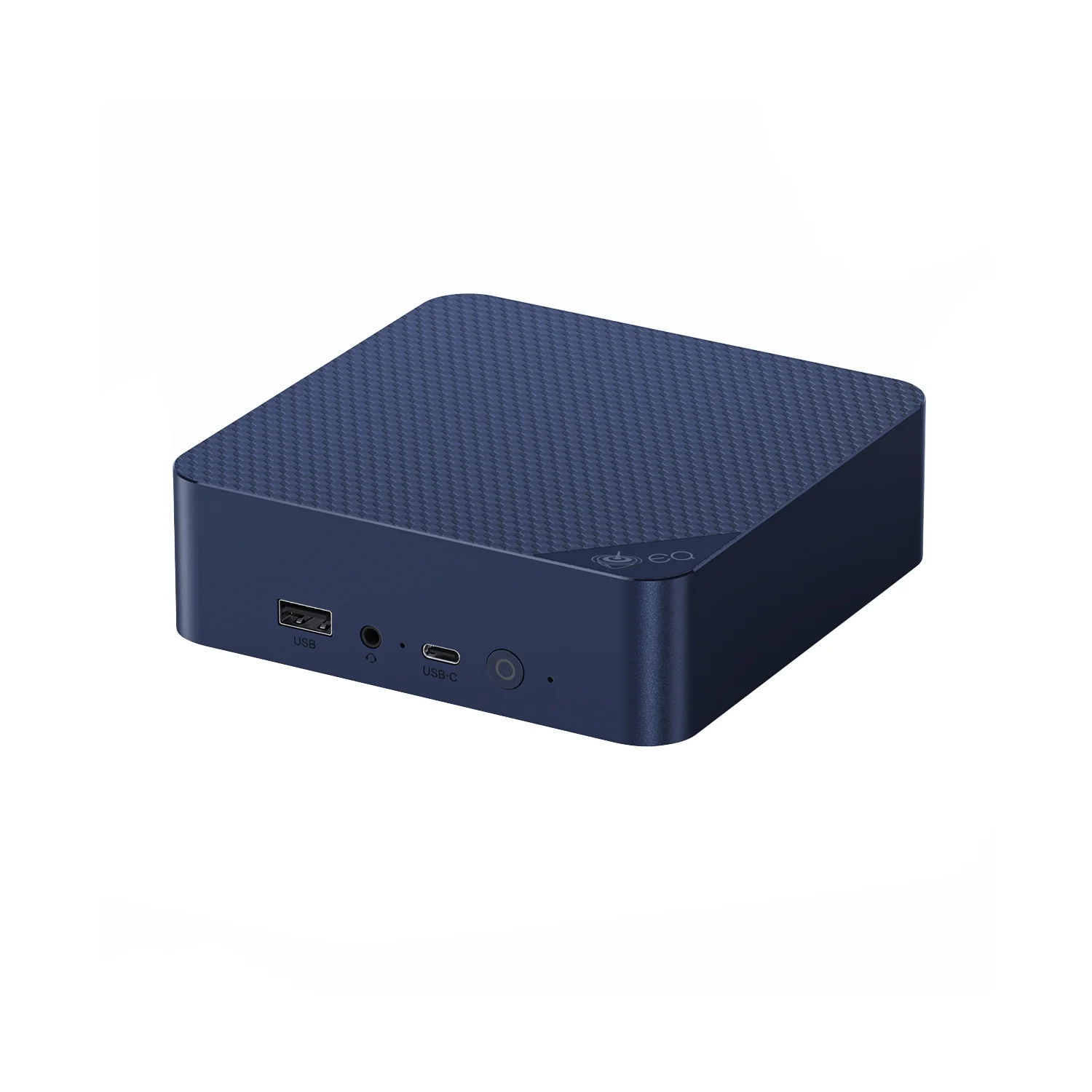
Compact x86 server reference for Docker services, application backend, relational database, automation and Cloudflare Tunnel.
Server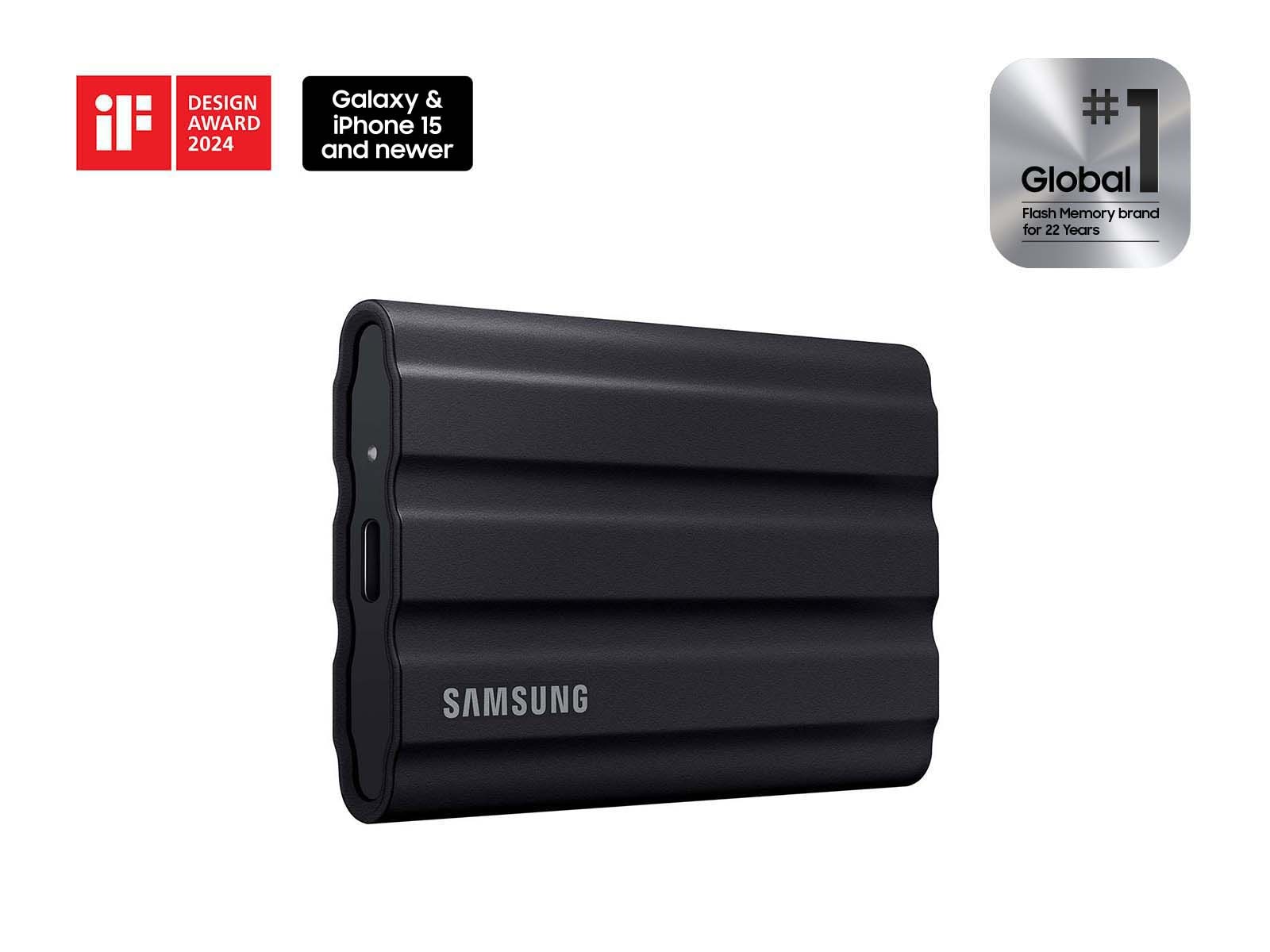
Dedicated local encrypted backup target with enough room for versioned database, configuration and file snapshots.
Backup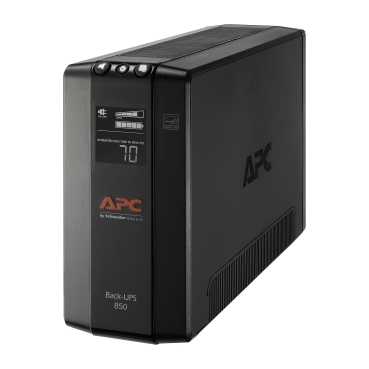
Battery backup with AVR and USB data interface for short-outage continuity and a controlled shutdown during longer outages.
Power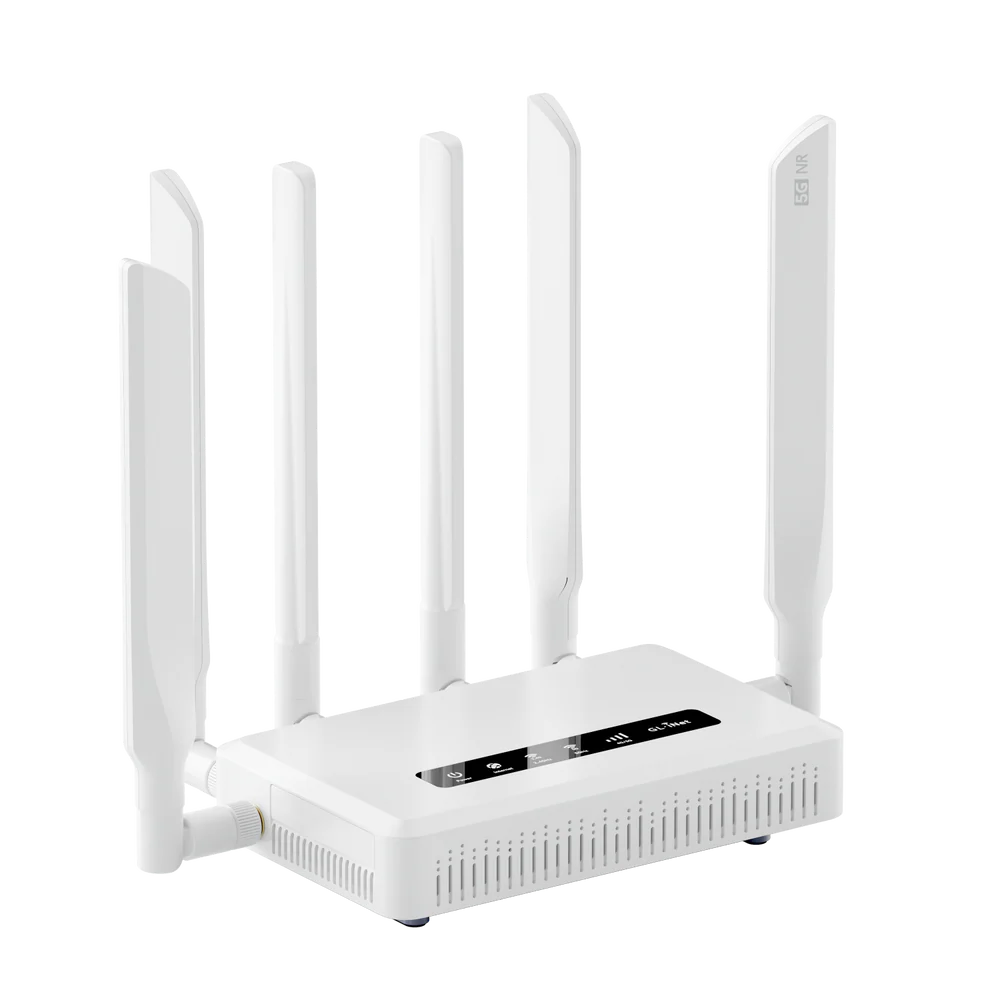
Optional cellular gateway for locations that need an alternate internet path and automatic failover when the primary WAN is unavailable.
OptionalProduct references are maintained by exact model so a proposal can distinguish recommended architecture from whatever happens to be cheapest on a marketplace that day.
The goal is predictable behavior, not hope. Short outages stay online; long outages shut down cleanly; restored power brings the stack back automatically.
UPS immediately carries the mini PC and essential network equipment.
The server reads UPS state rather than waiting for an abrupt battery cutoff.
Database and services stop cleanly when the configured battery threshold is reached.
BIOS power-restore behavior boots the mini PC and service manager starts the stack.
Tunnel, database, application and backup status are checked and reported.
The baseline design keeps the live data on primary storage, a versioned local backup on separate physical media, and an encrypted off-site copy outside the building. Periodic restore testing proves the recovery path.
Start with the workflow. The systems audit turns it into a technical scope.