Business systems consolidation · custom infrastructure

Stop paying five companies to run one business.

Show us the software, subscriptions and disconnected workflows you pay for every month. We identify what should stay, what can be integrated, and what may be worth replacing with one custom system built around the way your company actually works.

See how consolidation works
Keep specialist tools that make senseIntegrate services that should remainReplace unnecessary recurring softwareControl more of your core system and data
SAMPLE FIELD-SERVICE STACKCONSOLIDATION REVIEW
BEFORE
Website hosting $89
CRM $149
Dispatch $229
Forms $59
Routing $79
Storage $35
Accounting keep
→
AFTER
YOUR BUSINESS SYSTEMWebsite + Operations + Data
  • Customer records
  • Scheduling / dispatch
  • Field workflows
  • Forms / photos / reporting
Retained integrationsAccounting · Payments · Maps
Example recurring stack$640+/mo reviewedNot a savings guarantee. The point is to find what is actually worth consolidating.
THE QUESTION WE START WITHWhat are you paying for every month?
Audit outputKeep · Integrate · Replace · Investigate
The actual offer

We are not trying to replace everything. We are trying to simplify the right things.

Most small businesses did not intentionally design a technology stack. They accumulated it one subscription at a time. Our job is to inspect the whole picture, preserve the systems that are worth keeping, and consolidate the pieces that are costing money or creating operational friction.

01

Keep

Specialist systems that already do their job well—often accounting, payroll, payment processing or other regulated services.

Do not rebuild what does not need rebuilding.

02

Integrate

Connect retained services to the custom platform so the business stops duplicating information and jumping between systems.

One workflow, even when multiple providers remain.
03

Replace

Move generic recurring functions—forms, customer records, scheduling, dashboards, portals and simple automation—into the company’s own system when the economics and workflow support it.

Reduce unnecessary software rent.
04

Investigate

Some tools need discovery before a decision: routing, file storage, review platforms, data migration and specialized industry software.

Validate before promising savings.
A more useful sales conversation

The first call should start with their business—not your tech stack.

The audit asks about goals, current monthly software costs, workflow pain, team size and operational requirements. The result is a structured opportunity brief instead of a vague “I need a website” lead.

1Map recurring costsSee the real monthly and annual spend.
2Classify the stackKeep, integrate, replace or investigate.
3Understand operationsScheduling, dispatch, field work, customers, files, payments and reporting.
4Design around the businessBuild the system that fits instead of forcing the business into another app.
PRE-SALES OPPORTUNITY BRIEF87 / 100

Field Service Company

Strong consolidation fit. The business reports approximately $947/month in recurring technology costs, with several operational systems suitable for replacement or consolidation review.

Annual tech spend$11,364
Addressable stack$641/mo
ComplexityModerate
Primary sales angle Recurring-cost consolidationKeep / integrate Accounting + paymentsLikely build CRM + scheduling + field portal + reportingFirst discovery question Can customer / service history be exported?
See the private lead-intelligence console →
Before → After

Turn a pile of subscriptions into a business-controlled operating layer.

The custom platform does not have to do everything. It becomes the central operating layer that connects the public website, employees, customers, retained integrations and business data.

BEFORE

Subscription by subscription

  • Website builder / hosting
  • CRM / customer notes
  • Scheduling / dispatch
  • Field-service forms
  • Separate customer portal
  • Photo / file storage
  • Review request software
  • Automation service
Multiple vendors · multiple logins · duplicate data · recurring fees
Chambliss SystemsCONSOLIDATE
AFTER

One operating system

  • Public website + lead capture
  • Shared customer database
  • Scheduling / dispatch workflow
  • Employee / technician portal
  • Customer portal
  • Photos / records / reporting
  • Automated follow-up
  • Backups / recovery / monitoring
Custom workflow · clearer ownership · fewer moving parts
Field-service example

What this looks like for a pool company.

A pool-service owner knows pools, routes, chemicals, customers and technicians. They should not have to become an expert in six software vendors. A custom system can centralize the operating pieces while leaving specialist services—like payment processing or accounting—where they belong.

WebsiteCustomer recordsRecurring serviceRoutesTechnician portalService historyPhotos / notesOwner dashboardBackups
See more business scenarios →
Technology systems planning and operations environment
THE GOALMake the owner better at running their business—not better at managing software vendors.
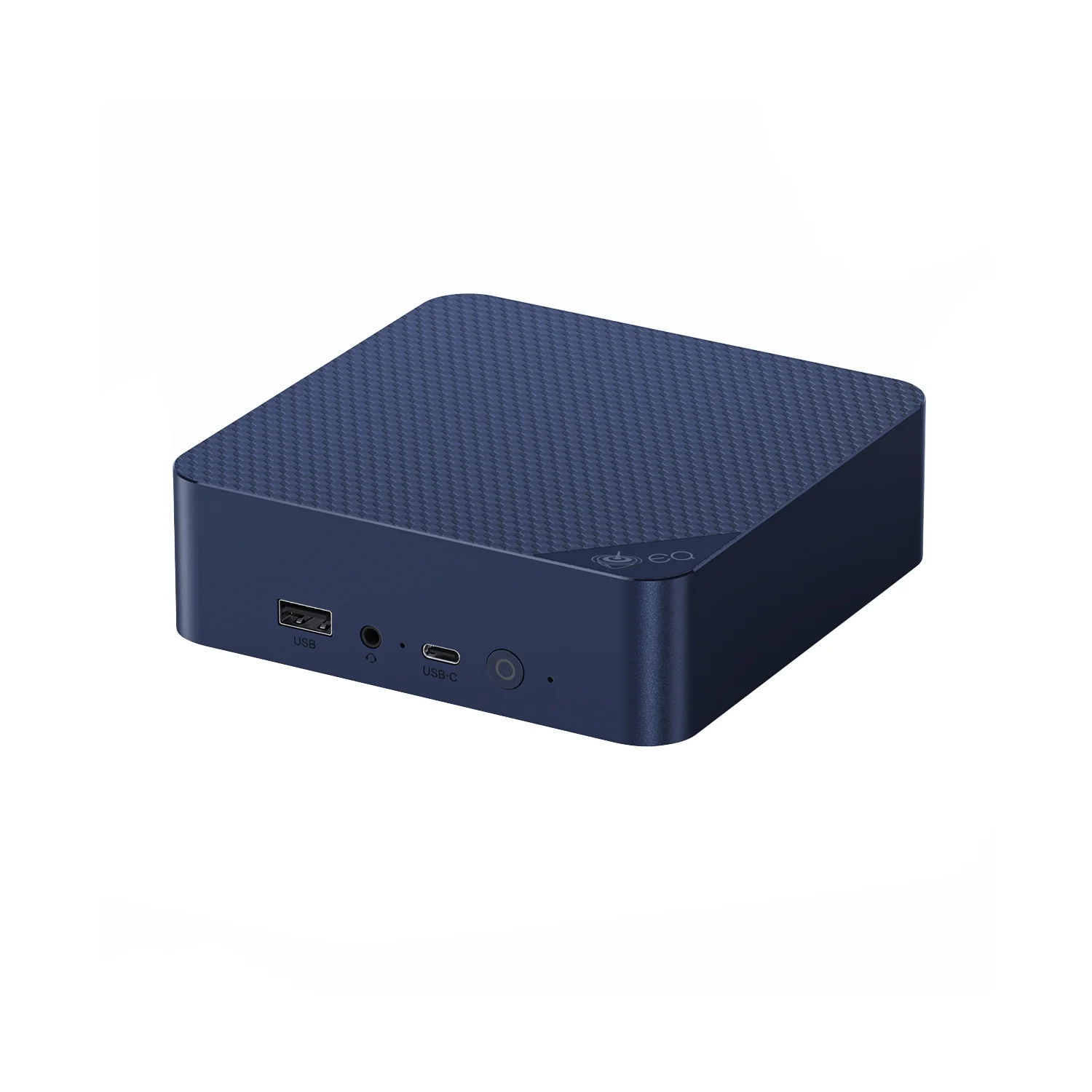
Beelink EQ14 Intel N150 mini PC reference server
OPTIONAL LOCAL BUSINESS SERVERYour system. Your hardware. Your data.
Ownership + continuity

When local infrastructure makes sense, we can put the core system under the business's roof.

A low-power mini PC can host backend services, databases and automation while local and off-site backups protect the data. A monitored UPS handles power loss safely, and retained cloud services remain connected where they add value.

Mini PC→Local backup SSD→UPS→Encrypted off-site backup
See the continuity architecture →
Matthew Chambliss, founder of Chambliss Systems
Owner-led systems work

One person can look across the whole problem.

Website, backend, workflow, hardware, backup, deployment and search visibility are usually sold by different vendors. The advantage here is being able to study the business as one system and decide where custom technology actually creates value.

“Show me what you’re paying for, how the business actually works, and where the friction is. Then we can decide what should stay and what should change.”
Matthew Chambliss · Founder & Systems Architect
START WITH THE NUMBERS

What is your business paying for every month?

Run the audit. We’ll organize the recurring costs, workflows, pain points and technical requirements into a structured systems brief.